

Table of Contents
Walk through a furniture store and you'll notice something interesting - row after row of sofas, matching living room sets, recliners, coffee tables. Everything neatly arranged where it's supposed to go. Then walk through a modern home. You'll find spaces do more than one thing. Living rooms double as movie rooms, guest rooms become offices. Because the way we live has changed, the way we furnish our homes has changed too. That's why flexible seating has become one of the biggest shifts in modern furniture design.
Instead of filling rooms with pieces that serve a single purpose, more people are choosing versatile furniture that adapts to how they live, relax, and entertain. It's furniture that lets you decide how you want to use it in the moment.
What Is Flexible Seating?
Flexible seating is furniture designed to adapt to different spaces and activities. Instead of one fixed purpose, flexible seating can serve multiple roles throughout the day, and usually saves space.
It might be:
- a place to watch movies
- a spot for reading
- extra guest seating
- a place to stretch out and relax
- somewhere to work casually with a laptop
The furniture adjusts to the moment, which is a big shift from traditional furniture designed around a single use. A dining chair is for dining. A recliner is for reclining. A sofa is for sitting.
Flexible options blur that line and in turn feels more natural to modern life.
Modern Homes Need to Do More
One reason flexible seating has become so popular is simple: homes are working harder than ever. For many people, the same space might serve as as living room, home office, entertainment space, and relaxation zone.
When rooms have multiple jobs, furniture needs to do more to keep up with that lifestyle.
That's why it's important for flexible pieces to be able to be rearranged, repositioned, shared, or used in other ways. People don't want more furniture, but they want furniture that does more.
We Want Comfort Without Formality
Everyone grew up with that one sofa that nobody said wasn't for sitting, but everyone understood wasn't for sitting. This isn't that.
It encourages stretching out, changing positions, lounging, and gathering casually. It's more comfort and less rules.
If you've ever watched what people actually do at a party, movie night, or family gathering, you know that's how people prefer to relax anyway. Nobody races to claim the most formal seat in the room, they go where they're comfortable.
Furniture That Adapts to You
The best furniture isn't always the furniture with the most features. Sometimes, it's furniture that gets out of the way.
Flexible seating adapts to different body types, sitting positions, activities, and room layouts. Instead of forcing everyone into the same experience, it allows people to find what's comfortable for them.
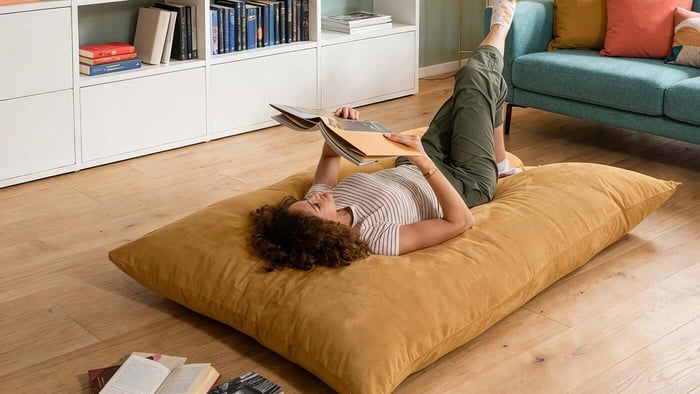
That adaptability is one reason pieces like bean bag chairs for adults have become increasingly popular in modern homes. They don't dictate how you sit.
Flexible Seating Works for More Than One Activity
Think about how often you use your favorite seat. You probably don't use it for just one thing.
Maybe you:
- read there
- watch movies there
- play games there
- scroll your phone there
- take the occasional accidental nap there
Modern homes need to support all these moments, and that's exactly where flexible seating shines.
It transitions easily between activities without feeling out of place.
Alon

$617.00
$1,120.00
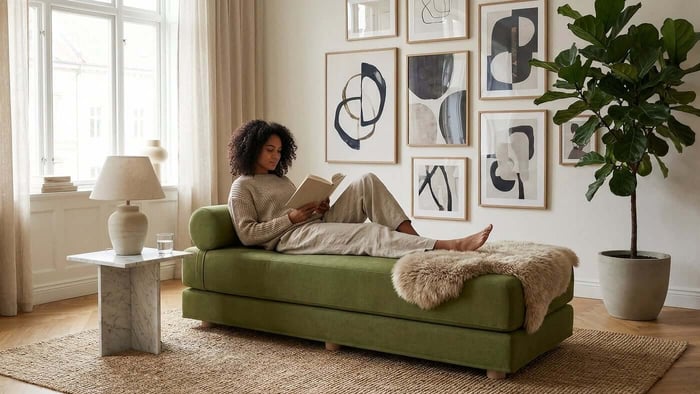
The Alon Daybed is the streamlined original — a chic chaise by day, a cozy queen-size bed by night. A single 7-inch bolster keeps the silhouette low and modern, while memory foam-topped, high-density foam platforms deliver support that lasts night… read more
The Alon Daybed: A Modern Example
A great example is the Alon Daybed.
Is it a sofa? A lounge chair? A guest bed? The answer is yes.
The Alon works because it adapts to what you need in the moment. One day it's a place to relax with a book, the next, it's extra seating when friends stop by. Later, it becomes the perfect spot for an afternoon nap.
That's the appeal of flexible furniture - it earns its space.
Unsofa®

$1,999.00
$2,600.00
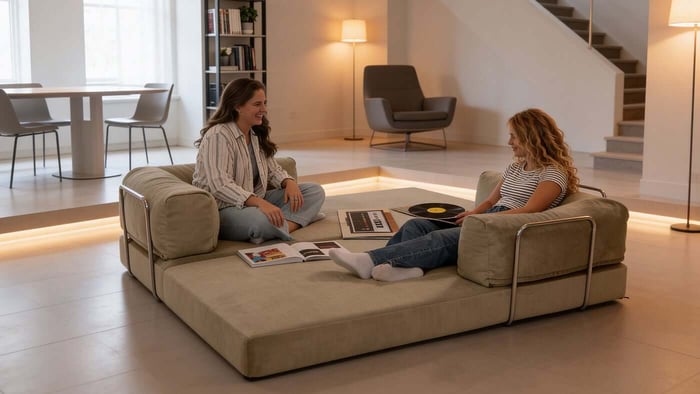
Some couches are built for show. The Unsofa® is built for life. Unbox it. Unwind on it. Uncover what full-body comfort really feels like on multilayer cushioning topped with memory foam. From movie marathons to midnight sleepovers, this modular wonder… read more
The Unsofa: Rethinking What a Sofa Can Be
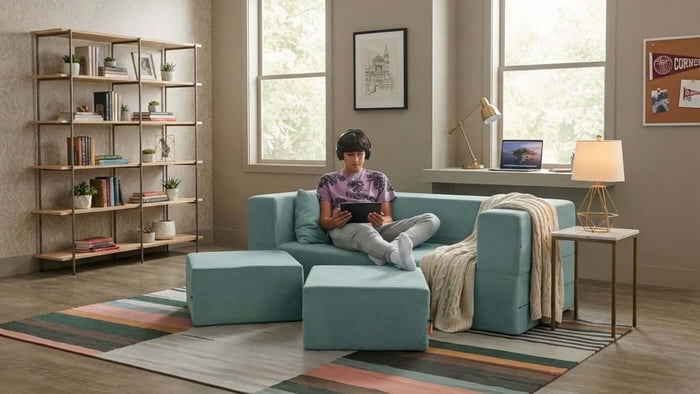
The same idea applies to the Unsofa. Traditional sofas tend to lock people into a specific arrangement. The Unsofa takes a more relaxed and completely configurable approach. It's designed around comfort, flexibility, and shared experiences.
Whether you're hosting friends, watching movies, or lounging, it adapts to the way people naturally gather.
One piece of furniture can be a conversation pit, a couch, a guest bed, and more - which is why flexible seating continues to grow in popularity.
Why Flexible Seating is Here to Stay
This isn't a trend that's going away, it's just a response to how people live in the modern era.
Homes have become more casual, multifunctional, and centered around comfort, so furniture is evolving to match. People want pieces that feel useful every single day, not just things that look good in a showroom.
Flexible seating delivers that balance. It helps homes feel comfortable, inviting, and adaptable.
FAQs
What is flexible seating?
Flexible seating refers to furniture that can adapt to different activities, positions, and room layouts. It prioritizes comfort and versatility over a single fixed purpose.
Why is flexible seating becoming more popular?
People are using their homes in more ways than ever before. Flexible seating allows one space to support relaxation, entertaining, working, and everyday living without needing separate furniture for each activity.
Is flexible seating better than traditional furniture?
Not necessarily better—just different. Traditional furniture excels at specific uses, while flexible seating offers greater adaptability and comfort for modern lifestyles.
What are examples of flexible seating?
Examples include modular seating, bean bag chairs, daybeds, oversized loungers, and adaptable pieces like the Alon Daybed and Unsofa.