

Table of Contents
There's a difference between being home and actually relaxing. Most of us know what it's like to finish work and finally sit down, but still be running through tomorrow's to-do list. Home is where we live, but it isn't automatically a place we unwind. Creating a dedicated relaxation space at home can make a big difference.
It gives you a place to slow down, recharge, and step away from the constant feeling that you should be doing something else.
The good news? You don't need an extra room or a major renovation - you just need a space that makes it easier to relax than to stay busy.
What is a Relaxation Space at Home?
A relaxation space is exactly what it sounds like: a place in your home that is specifically designed to help you decompress.
It's a place where the goal is comfort, and that's it. That could mean:
- reading a book
- listening to music
- enjoying a morning coffee
- taking a break from screens
- journaling or coloring
- simply sitting in quiet
When you step into this area, your brain should signal to you that you're off the clock (at least for a little while).
Start With the Space You Already Have
One of the biggest misconceptions about creating a relaxation space at home is that you need to have a dedicated room. Most people don't have that kind of extra space.
Instead, look for underused areas. An empty corner in the living room, a spare nook in the bedroom, or a quiet section of a home office. You don't need a ton of square footage, just a spot that feels separate from the busier parts of life.
Raven Relaxer

$285.00
$370.00
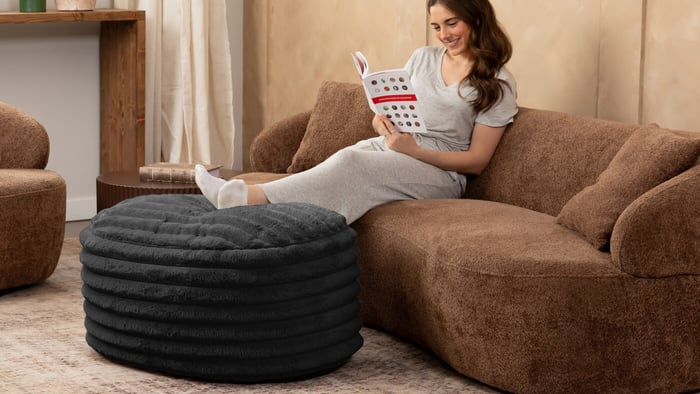
Lean back with the Raven Relaxer, the star of the Raven-Symoné Home collection and your new favorite place to catch a relaxing moment (or hour). With its sleek, sculpted shape and irresistibly soft faux fur, this lounger is equal parts… read more
Choose Furniture That Encourages Relaxation
This is where most relaxation spaces succeed, or fail. If the furniture isn't comfortable, you won't use the space. Try to think about how you naturally relax.
Do you like to curl up with a blanket? Stretch out after a long day? Sit and read for an hour? Or watch a movie on a lazy weekend afternoon?
The furniture should support those habits. Flexible seating works particularly well because it adapts to multiple sitting styles without forcing you into a specific position (which gets uncomfortable after multiple hours).
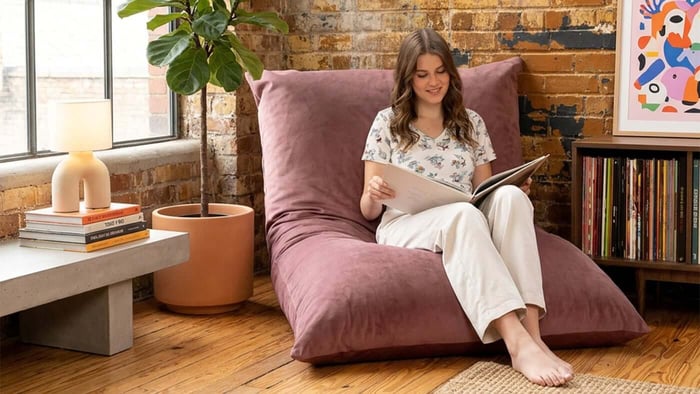
Pieces like the Cocoon create a wraparound, sink-in experience ideal for reading, scrolling less, and generally forgetting what time it is.
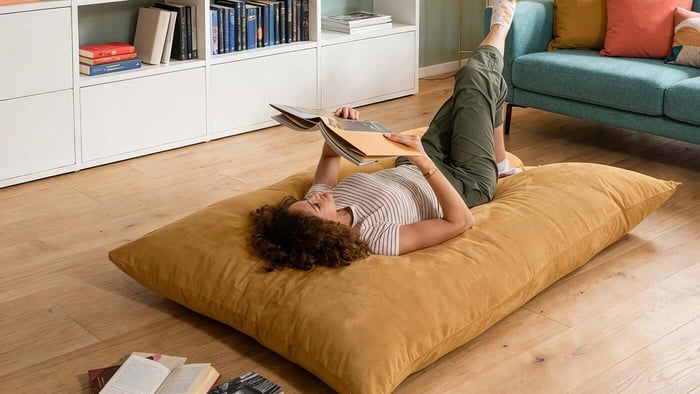
The Lounger offers a more structured lounge experience while still encouraging you to really recline and stretch out.
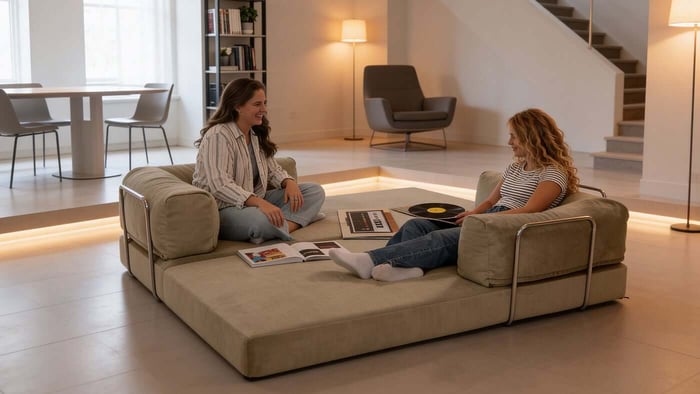
For those who prefer something that feels more like a lounge chair, the Raven Relaxer creates a comfortable spot for reading, conversation, or enjoying a quiet moment. The common thread is simple: The best furniture for a relaxation space makes you want to stay there.
Lounger 6

$190.00
$380.00
The Lounger 6' Bean Bag transforms relaxed seating into a full-body experience. Designed for movie nights, reading marathons, casual hangouts, and everything in between, its oversized scale offers room to sprawl while foam micro-cushions adapt to your posture for lasting… read more
Layer in Soft Textures
Comfort is in everything that surrounds you. One reason luxury hotels and cozy retreats feel so inviting is because they use layers of texture.
Think soft blankets, plush pillows, cozy throws, textured rugs, and warm upholstery fabrics. These details create visual warmth, but they also make a space feel physically more comfortable.
A relaxation space should feel inviting before you even sit down. If it looks comfortable, you're more likely to gravitate to it.
Think Beyond Seating
What helps you unwind? For some people, it's books. For others, music, tea, candles, or a favorite magazine invite them in.
Consider adding a side table, a bookshelf, basket, tray, speaker, or plant or two.
These additions make the space feel complete and reduce the need to get up every few minutes to grab something you might need.
The less friction there is, the easier it is to relax.
Lighting Changes Everything
Lighting might be the most overlooked element of a relaxation space at home. Bright overhead lights tend to make a room feel active and functional. Relaxation spaces benefit from softer, layered lighting.
Good options include:
- floor lamps
- table lamps
- warm LED bulbs
- candles
- indirect lighting
If possible, position your space near natural light during the day and supplement it with warm lighting in the evening.
The goal is to create a space that feels calm, not clinical.
Create a Space You'll Actually Use
This might be the most important advice of all - don't design your relaxation space for some ideal version of yourself. Design it for the person you are. If you love reading, build around books. If you love movies, build around comfort and viewing angles.
If your perfect evening involves a blanket, tea, and doing nothing, lean into that.
The best relaxation spaces reflect real habits, not aspirational ones.
FAQs
What is a relaxation space at home?
A relaxation space at home is an area designed specifically for comfort, stress relief, and unwinding. It can be as simple as a comfortable chair, soft lighting, and a quiet corner dedicated to relaxation.
How do I create a relaxation space in a small home?
Start with an unused corner, add comfortable seating, incorporate soft textures, and include a few items that help you relax, such as books, plants, or a small side table.
What furniture works best in a relaxation space?
Furniture that supports lounging and flexible comfort tends to work best. Pieces like the Cocoon, Lounger, and Raven Relaxer create inviting spaces designed for extended relaxation.
Does lighting matter in a relaxation space?
Yes. Soft, warm lighting can help create a calmer atmosphere and make a space feel more comfortable and inviting.