

Seating is usually the first thing to get cut when a room is small — an extra chair feels like a luxury you don't have the floor space for. But the real issue usually isn't that a small room can't fit more seating. It's that most seating isn't built with a small room in mind in the first place. Once you separate seating for small spaces into three categories — everyday, overflow, and flexible — it's a lot easier to see what actually fits and what doesn't.
Everyday Seating
Every small room needs at least one piece of seating that's there all the time — a spot for reading, working, or just sitting down without needing to set anything up. This is the seating that has to earn its permanent footprint, so it's worth choosing something scaled to the room rather than whatever's on sale.
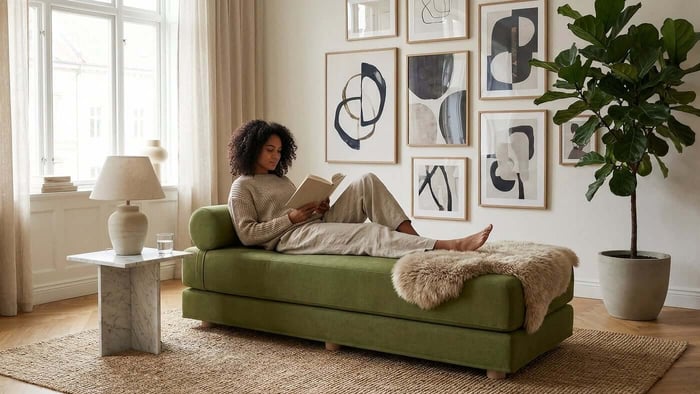
The Uptown Chair is a good example of everyday seating done right for a small space — a low-profile, armless design that adds real seating without the bulk of a traditional accent chair. It works well as a second seat next to a sofa, or as a standalone reading chair in a corner that a bigger chair wouldn't fit into.
Pillow Saxx 5

$150.00
$216.00
Level up your lounging with the Jaxx Pillow Saxx 5ft bean bag, now available in our new ultra-padded lush microvelvet fabric. This oversized floor cushion is a game-changer for movie nights, reading marathons, gaming sessions, and even overnight guests. Shaped… read more
Overflow Seating
The second category is seating you don't need every day, but do need occasionally — when friends come over, when family's in town, when the room suddenly has to hold more people than usual. This is where a lot of small spaces go wrong, either buying nothing (and running out of seats) or buying a second full chair that sits unused most of the year.
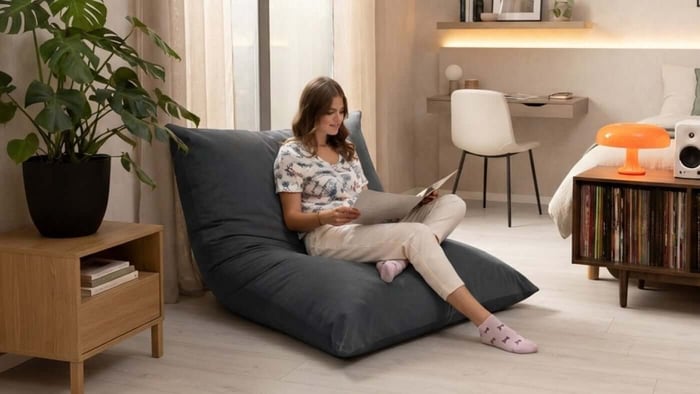
A Pillow Saxx 5 crash pillow solves this well — it stores flat or tucked in a corner when it's not needed, and gets pulled out as extra seating the moment it is. It's a much lower-commitment way to add overflow seating for small spaces than buying a folding chair or a second piece of furniture that's only useful once in a while.
Flexible Seating
The third category is seating that isn't tied to one spot in the room at all — it can shift from a reading nook to a spot in front of the TV to extra seating near guests, depending on the day. In a small space, this kind of flexibility is often more valuable than a piece that looks nicer but stays in one place.
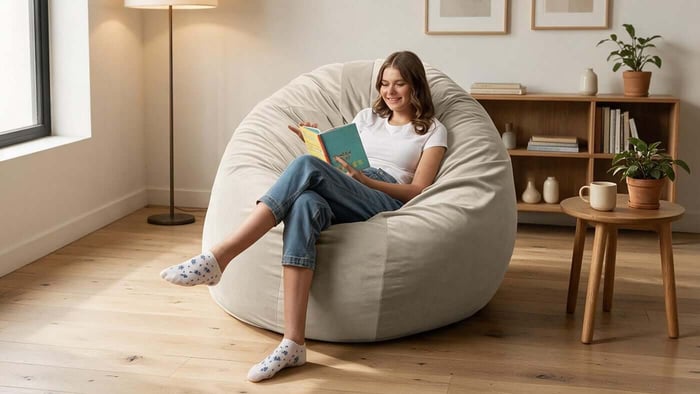
A Saxx 5 bean bag chair is a strong option here, since it has no rigid frame and can be moved wherever the room needs it that day. For a lower-profile, more structured alternative that still moves easily, the Raven Relaxer offers a similar kind of flexibility with a bit more shape and support, without the footprint of a full recliner.
Raven Relaxer

$285.00
$370.00
Lean back with the Raven Relaxer, the star of the Raven-Symoné Home collection and your new favorite place to catch a relaxing moment (or hour). With its sleek, sculpted shape and irresistibly soft faux fur, this lounger is equal parts… read more
Choosing the Right Mix
Most small rooms don't need more seating overall — they need one piece from each category instead of several pieces from just one. An everyday chair, one overflow option that disappears when it's not needed, and one flexible piece that can move around the room will usually cover more ground than three fixed chairs ever could. It's worth resisting the instinct to buy "one more chair" every time the room feels short on seating — swapping in a piece from a category you're missing almost always solves the problem better than adding a duplicate of what you already have.
The right seating for small spaces isn't about squeezing in as many chairs as possible — it's about matching each piece to how it'll actually get used. One dependable everyday chair, one overflow piece that tucks away, and one flexible piece that moves where you need it: that combination covers more ground than a room full of chairs that only get used half the time. Shop Jaxx's small-space seating to build out a mix that actually fits how you live.
FAQs
What's the best seating for a small living room?
A mix works better than a single approach — one everyday chair, one overflow piece that stores easily, and one flexible piece that can move between spots in the room.
Is bean bag seating a good option for small spaces?
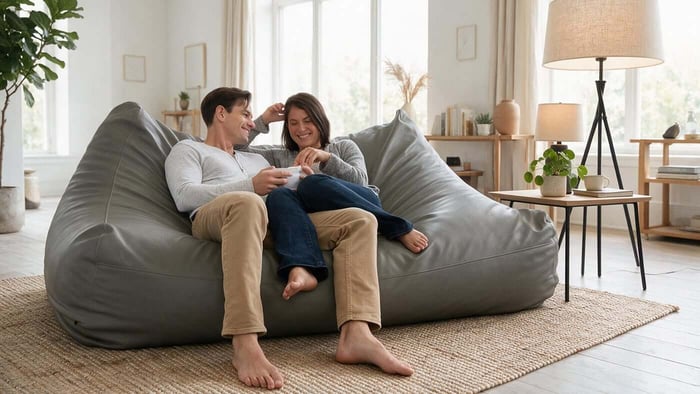
Yes — because it has no rigid frame, it can be moved or stored far more easily than a traditional chair, which makes it especially useful for overflow or flexible seating needs.
How much seating does a small room actually need?
Usually less than people assume. One solid everyday piece plus one or two flexible or storable options tends to cover more scenarios than several fixed chairs.