

Table of Contents
There's a reason why certain spots in your home just feel better. It's not always the most expensive chair or the most stylish setup. But somehow, there's that one corner you drift towards without thinking, the one you sit down for a minute in and end up staying for an hour. That's the pull of cozy spaces.
And it turns out, there's more going on than just soft textures and good lighting.
Why Cozy Spaces Matter More Than We Realize
Cozy spaces aren't just about aesthetics, they're also about how your body and mind respond to the environment.
When a space feels comfortable, your brain interprets it as safe. That sense of safety does several things for you. It lowers stress levels, helps your body relax, makes it easier to stay present, and most importantly, makes you want to stay.
It's why a perfectly styled room can still feel cold and clinical, while a slightly messy, lived-in space feels more like home.
Comfort goes beyond the visual. It's physical, emotional, and a little bit psychological.
The Science Behind Why We Love Cozy Spaces
Your brain is constantly scanning your environment for signals.
Hard surfaces, rigid seating, and overly structured layouts can subtly signal tension, like you're in a space meant for sitting "properly." Cozy spaces do the opposite.
They tend to include:
- soft textures
- flexible seating
- warmer lighting
- relaxed layouts
These elements signal to your brain that it's okay to let go a little bit. That's why sitting in a cozy space feels like a physical exhale.
Comfort is About Control
One of the biggest reasons cozy spaces feel so good is that they give you control over how you sit, move, and settle in. Traditional furniture often asks you to sit a certain way.
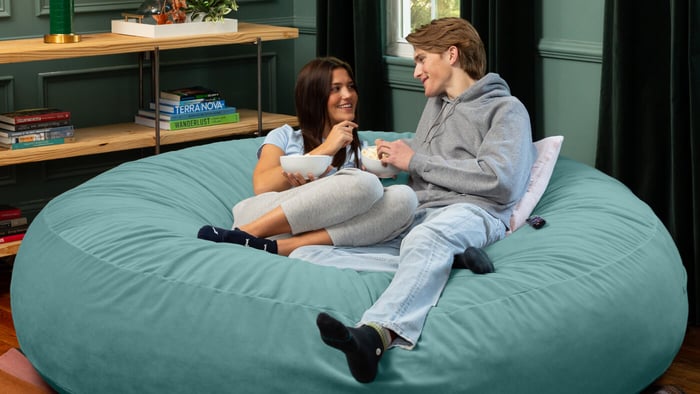
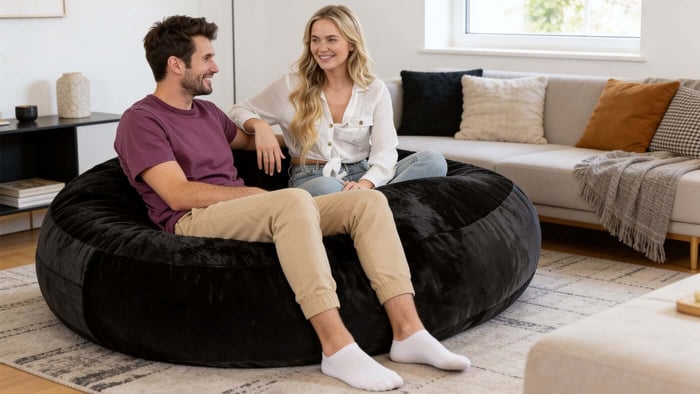
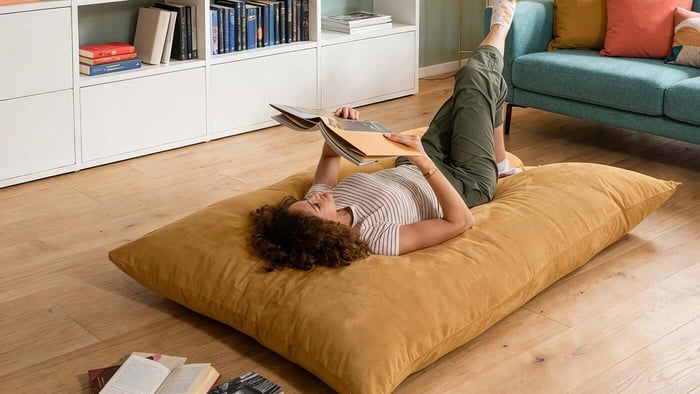
Cozy spaces let you curl up, stretch out, shift positions, or settle in however feels natural. That flexibility is what matters. It removes friction from the experience, and when there's less friction, it's easier to relax.
The Role of Seating in Cozy Spaces
If cozy spaces are built on comfort, seating is at the center of it.
The difference between a space that looks cozy and one that feels cozy usually comes down to where and how you sit. Great cozy seating tends to be:
- soft, but supportive
- spacious enough to move around on
- adaptable to different positions
- inviting without being pretentious
This is why more people are moving away from rigid, formal seating and toward more flexible, lounge-style furniture.
If you've ever found yourself rearranging pillows or shifting around on a couch trying to get comfortable, you already understand the gap. The best cozy spaces close that gap.
Raven Relaxer

$285.00
$370.00
Lean back with the Raven Relaxer, the star of the Raven-Symoné Home collection and your new favorite place to catch a relaxing moment (or hour). With its sleek, sculpted shape and irresistibly soft faux fur, this lounger is equal parts… read more
Why We Always Gravitate to the Same Spot
Every home has one: the chair that's always taken, the corner everyone ends up in.
It's not random - your brain remembers where you felt the most comfortable and keeps sending you back there. That spot usually has a combination of the right amount of support, the right level of softness, and the right positioning in the room.
In other words, it checks all the boxes your brain is quietly looking for.
Cozy Spaces Encourage You to Slow Down
There's something else that happens in a comfortable environment: you stop rushing.
Cozy spaces naturally encourage longer conversations, slower evenings, and more time spent relaxing. They shift your mindset from "what's next?" to "actually, I'm good right here."
Our world is fast-paced, and most things are designed for speed and efficiency. That shift to slowing down matters.
How to Create a Cozy Space at Home
You don't need to redesign your entire home to create a cozy space. Small changes can make a big difference.
Start with Seating
Choose something that allows you to actually relax, not just sit.
Layer Textures
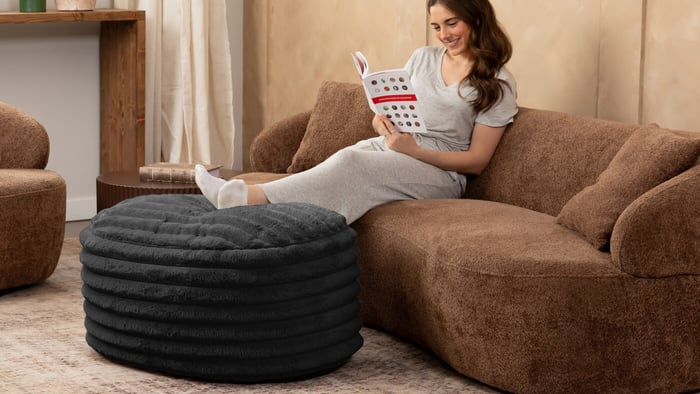
Blankets, soft fabrics, and cushions help create that "settle in" feeling.
Think About Lighting
Warm, indirect light feels more inviting than harsh overhead lighting. Try lots of lamps, or lighting fixtured positioned against the wall to cast the light upwards.
Leave Room for Flexibility
The best cozy spaces aren't overly structured. They leave space for how you want to sit vs. how you're "supposed" to sit.
Big Snuggler

$490.00
$650.00
When Raven says “cozy,” she means snuggle-level cozy. Meet the Raven-Symoné Home Big Snuggler, a luxe reimagining of our bestselling Jaxx lounger, now wrapped in irresistibly soft faux fur. With its monumental size and plush, shape-shifting fill, it’s the ultimate… read more
Final Thoughts
Cozy spaces aren't just how a room looks, it's about how it makes you feel.
They give your body a chance to relax, your mind a chance to slow down, and your home a place that feels like it's meant to be lived in.
FAQs
Why do cozy spaces feel so relaxing?
Cozy spaces use soft textures, flexible seating, and warm lighting, which signal safety and comfort to your brain and help reduce stress.
What makes a space feel cozy?
Comfortable seating, layered textures, warm lighting, and a relaxed layout all contribute to creating cozy spaces.
Can furniture affect how comfortable a space feels?
Yes. The type of seating plays a major role in whether a space feels truly comfortable or just visually appealing.